 delishing
How to Bake Moist Banana Bread: A Step-by-Step Guide

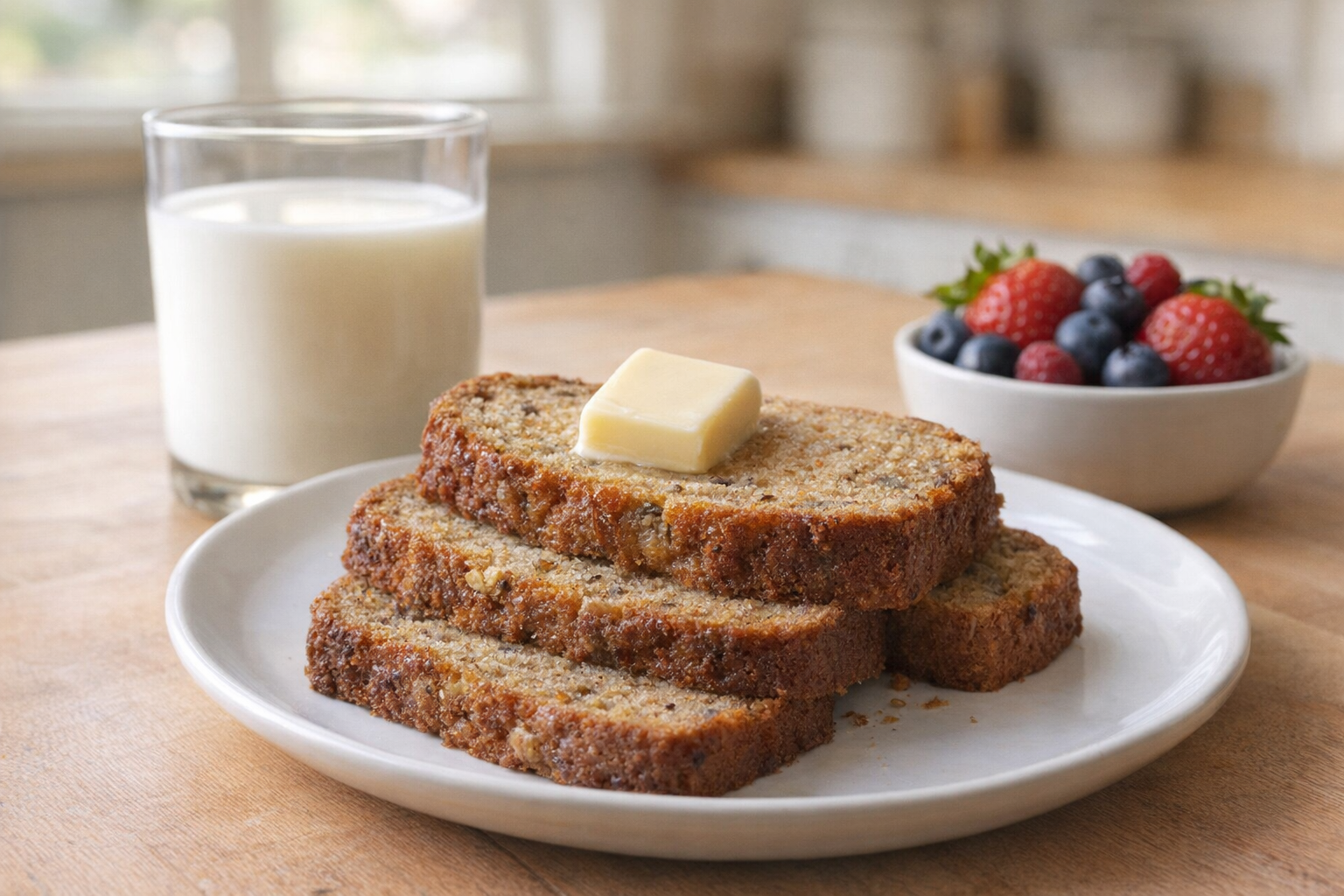
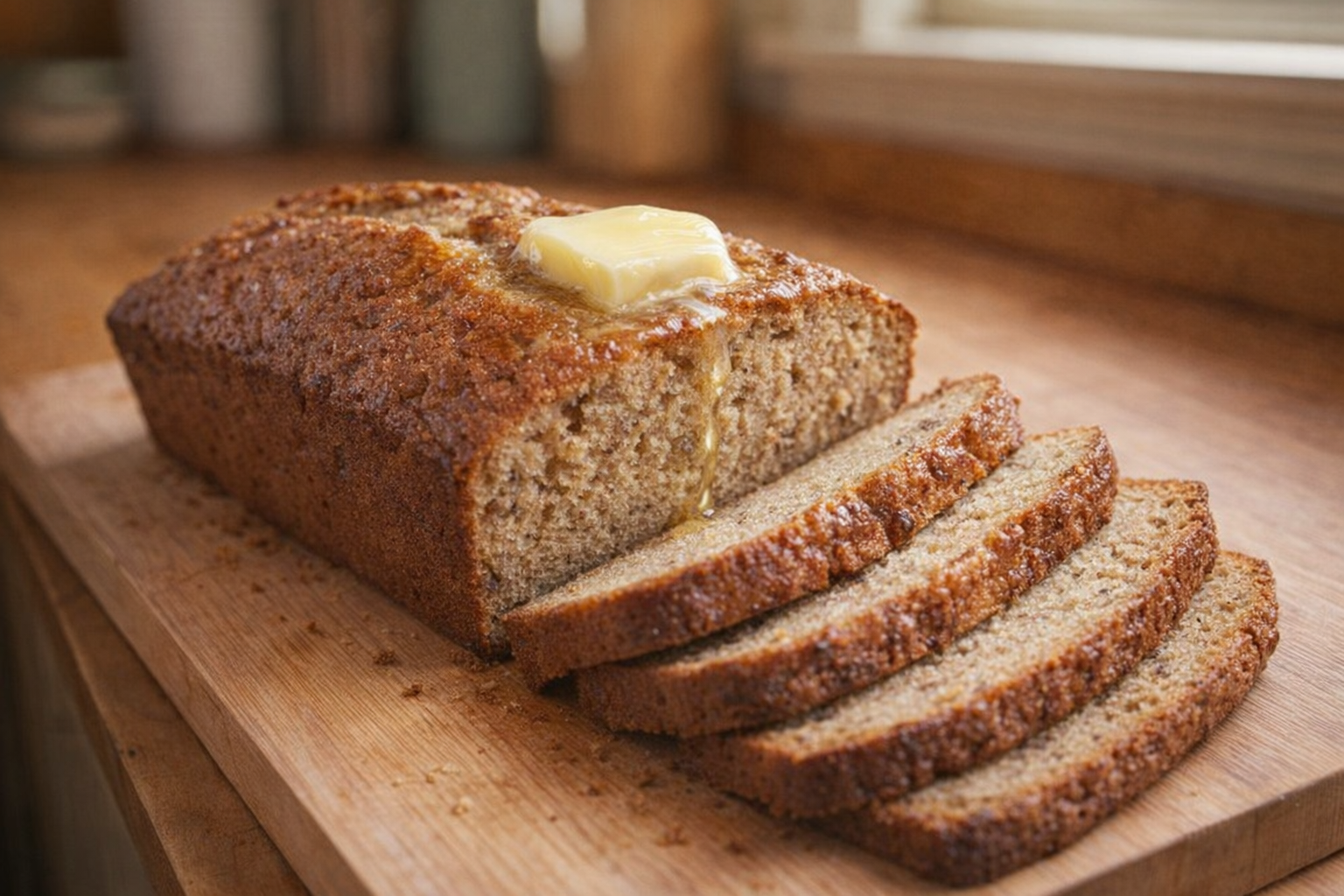
Banana bread is a comfort food staple, offering a delightful blend of sweet banana flavor and a tender, moist crumb. Baking it at home allows you to control the ingredients and customize the recipe to your liking. The aroma that fills your kitchen as it bakes is an added bonus, making the entire process a truly enjoyable experience.
This method focuses on achieving the perfect balance of moisture and sweetness. We'll walk you through each step, explaining the science behind the techniques to ensure a consistent and delicious result every time. Forget dry, crumbly banana bread; we're aiming for a loaf that's rich, flavorful, and irresistibly moist.
Understanding Bananas
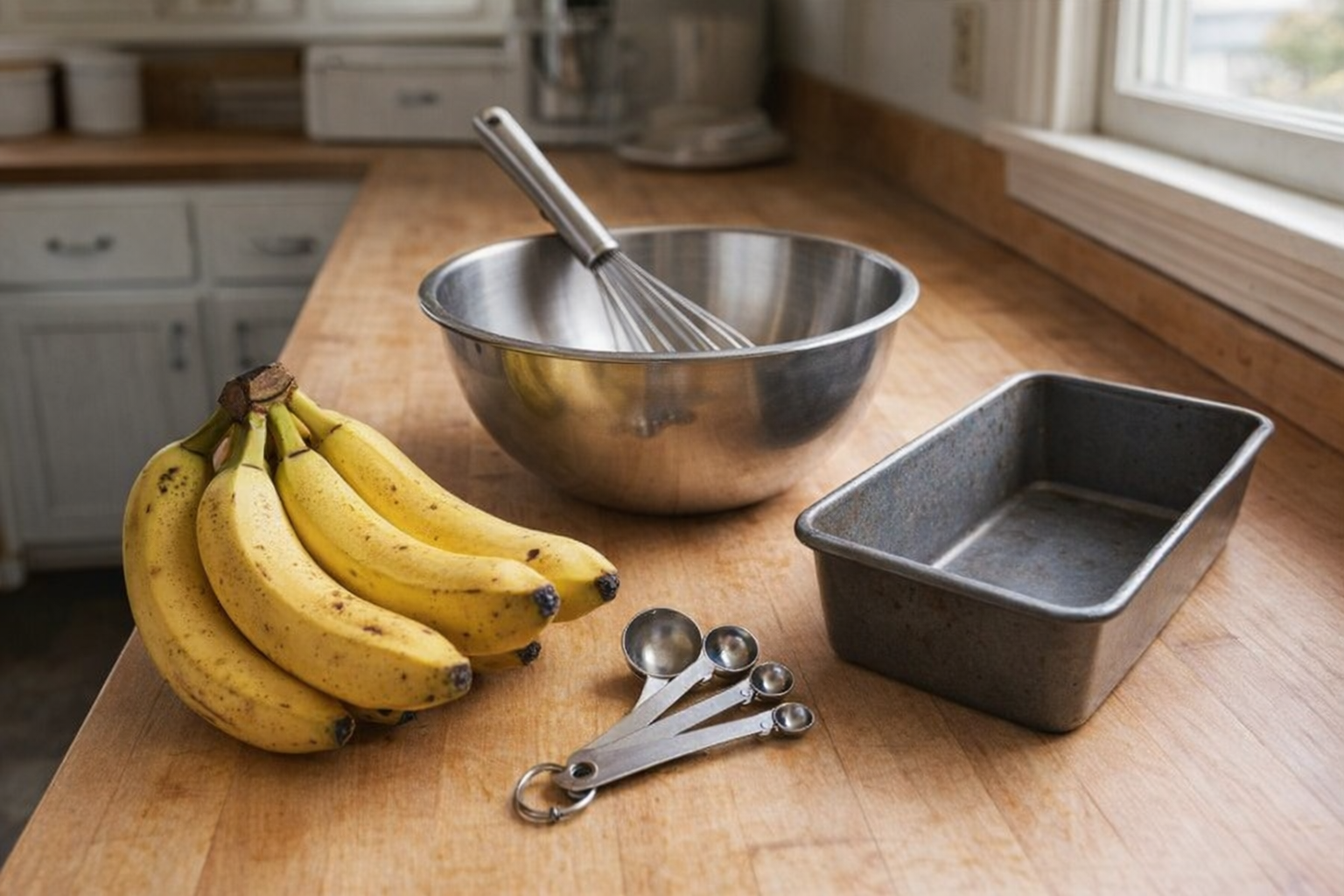
The key to exceptional banana bread lies in using ripe, or even overripe, bananas. As bananas ripen, their starches convert to sugars, resulting in a sweeter and more flavorful bread. Look for bananas that are heavily speckled with brown spots – the more spots, the better.
While Cavendish bananas are the most common variety available in supermarkets, other types can also be used. Plantains, for example, can add a unique, slightly savory flavor. However, Cavendish bananas are ideal for their consistent sweetness and texture when mashed. Avoid using green or unripe bananas, as they will lack the desired sweetness and may result in a dry, less flavorful bread.
Why Cook Banana Bread This Way?
- Versatility: Banana bread is incredibly versatile and can be customized with various additions like nuts, chocolate chips, dried fruit, or spices.
- Flavor: Baking banana bread at home allows you to control the level of sweetness and richness, creating a loaf that perfectly suits your taste preferences.
- Convenience: It's a great way to use up overripe bananas that might otherwise go to waste, reducing food waste and saving money.
Preparation (Mise en Place)
Before you begin, ensure your bananas are properly mashed. A fork works well for this, but a potato masher can achieve an even smoother texture. If your bananas are frozen, thaw them completely and drain any excess liquid before mashing.
Essential Tools
- 8x4 or 9x5-inch loaf pan: The size of the pan affects the baking time and shape of the bread.
- Mixing bowls: To separate wet and dry ingredients for optimal mixing.
- Whisk: For smoothly combining the wet ingredients.
- Spatula: For gently folding the dry ingredients into the wet ingredients without overmixing.
- Measuring cups and spoons: For accurate ingredient measurements.
- Oven: To bake the bread at a constant temperature.
The Cooking Method
Method 1: Standard Banana Bread
This method focuses on achieving a moist and evenly baked loaf using common ingredients and techniques.
Ingredients:
- 2 cups mashed overripe bananas (about 4 large)
- ½ cup (100g) cane sugar or brown sugar
- ½ cup (113g) melted butter or vegetable oil (plus extra for greasing)
- 2 large eggs
- 1 teaspoon vanilla extract
- 1½ cups (192g) all-purpose flour
- 1 teaspoon baking soda
- ½ teaspoon sea salt
- ½ teaspoon cinnamon
- ¼ teaspoon nutmeg
- ½ cup chopped walnuts (2 tablespoons for topping)
Instructions:
- Prepare Oven and Pan: Preheat your oven to 350°F (175°C). Grease an 8x4 or 9x5-inch loaf pan generously with butter or oil. The fat prevents sticking and ensures easy removal of your bread later.
- Mix Wet Ingredients: In a large bowl, whisk together the mashed bananas, sugar (cane or brown), melted butter (or oil), eggs, and vanilla extract until smooth. The mixture should have a consistent, slightly frothy appearance.
- Prepare Dry Ingredients: In a separate bowl, whisk together the flour, baking soda, salt, cinnamon, and nutmeg. Combining the dry ingredients ensures even distribution of the leavening agent and spices.
- Combine Wet and Dry: Gently fold the dry ingredients into the wet ingredients using a spatula. Stir until just combined, being careful not to overmix. A few streaks of flour are acceptable at this stage.
- Add Nuts: Fold in ½ cup of chopped walnuts. This adds a pleasant crunch and nutty flavor.
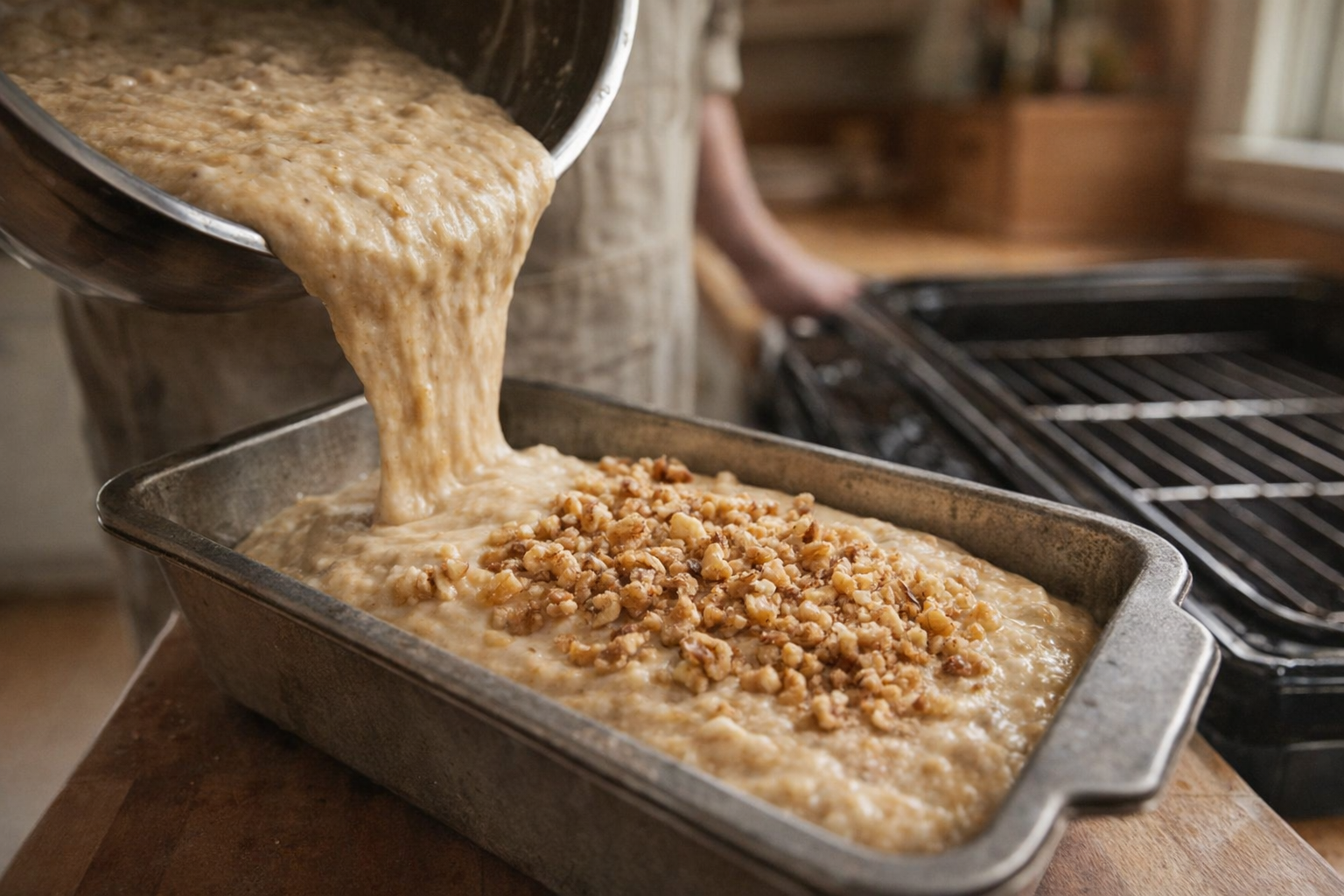
- Pour and Top: Pour the batter into the prepared loaf pan. Sprinkle the remaining 2 tablespoons of walnuts on top for added texture and visual appeal.
- Bake: Bake for 50 to 60 minutes. After 40 minutes, check the top of the loaf. If it's browning too quickly, loosely cover it with foil to prevent burning.
- Cool: Once baked, let the bread cool in the pan for 10 minutes before transferring it to a wire rack to cool completely. This prevents the bread from becoming soggy.
Cooking Time & Doneness Guide
- Baking Time: 50-60 minutes at 350°F (175°C).
- Internal Temperature: While not essential, an internal temperature of 200-205°F (93-96°C) indicates doneness.
Visual Cues
The bread is done when a toothpick inserted into the center comes out clean or with a few moist crumbs. The top of the bread should be golden brown and spring back lightly when pressed.
Tips for Perfection
- Don't Overmix: Overmixing develops gluten, resulting in a tough bread. Mix until just combined.
- Use Ripe Bananas: The riper the bananas, the sweeter and more flavorful the bread will be.
- Grease the Pan Thoroughly: Prevents sticking and ensures easy removal of the loaf.
- Cool Completely: Allow the bread to cool completely before slicing to prevent it from crumbling.
Storage & Reheating
- Storage: Store cooled banana bread in an airtight container at room temperature for up to 3 days. For longer storage, wrap tightly in plastic wrap and freeze for up to 3 months.
- Reheating: To reheat, wrap a slice of banana bread in foil and warm in a 350°F (175°C) oven for 5-10 minutes. Alternatively, microwave for 15-30 seconds.
Serving Suggestions
- Plain: Enjoy a slice of banana bread on its own as a simple and satisfying snack.
- With Butter: Spread with softened butter for added richness.
- As a Sandwich: Use banana bread as a base for a peanut butter and banana sandwich.
- With Ice Cream: Serve warm banana bread with a scoop of vanilla ice cream for a decadent dessert.
💡 Pro Tips
- Select bananas that are heavily speckled or completely brown to maximize sweetness and ensure a soft, moist texture.
- Stir the dry and wet ingredients together until just combined to avoid overworking the gluten, which keeps the bread light and tender.
- Measure your flour using the spoon-and-level method rather than scooping directly from the bag to prevent adding too much flour and drying out the loaf.
- Incorporate a tablespoon of neutral oil alongside the butter to provide lasting moisture that keeps the bread soft for several days.
- Tent the loaf with aluminum foil halfway through baking if the top is browning too quickly while the center remains undercooked.
Frequently Asked Questions
Yes, you can use frozen bananas! Make sure to thaw them completely and drain any excess liquid before mashing them. This prevents the banana bread from becoming too wet.
You can easily substitute nuts with other ingredients like chocolate chips, dried fruit (such as raisins or cranberries), or even seeds like pumpkin or sunflower seeds. These will add texture and flavor without the risk of an allergic reaction.
Sinking in the middle can be caused by overmixing the batter or using too many bananas. Avoid overmixing by gently folding the dry ingredients into the wet, and ensure you are using the recommended amount of bananas for the recipe.
To keep your banana bread moist, store it in an airtight container at room temperature. You can also wrap it tightly in plastic wrap or foil before placing it in the container. For longer storage, you can freeze it, wrapped tightly, for up to 2-3 months.